Fistula Surgery
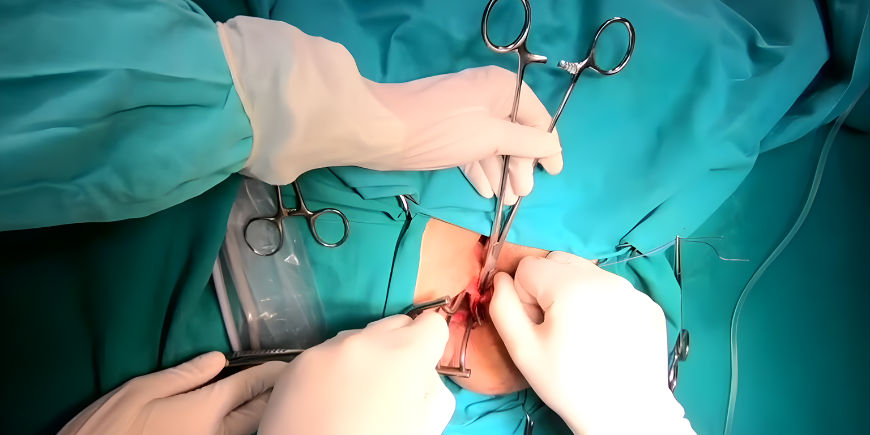
Fistula Specialist in Chennai for Safe and Effective Treatment of Anal Fistula
A Structured and Precise Approach to Treating Anal Fistula for Long-Term Healing
In my surgical practice, an anal fistula is one of the conditions that requires careful evaluation rather than quick treatment decisions. Many patients come with recurring pain, discharge, or a history of abscess, often unaware that the underlying issue is a persistent fistula tract. This condition does not resolve on its own and, if not treated properly, can continue to recur and affect daily comfort. As a Fistula Specialist in Chennai, my approach focuses on complete identification of the fistula pathway and selecting a treatment method that ensures proper healing while preserving normal function.
Over time, fistula management has evolved significantly with the availability of advanced surgical and minimally invasive techniques. My goal is not only to treat the visible symptoms but to address the entire tract system responsible for the condition. Each case is different, and treatment planning requires a balance between complete removal of the fistula and protection of surrounding tissues. This ensures both effective recovery and reduced chances of recurrence.
Core Principles I Follow in Fistula Management
-
Detailed mapping of the fistula tract before treatment
-
Identifying internal and external openings accurately
-
Evaluating depth and complexity of the condition
-
Selecting the safest surgical or minimally invasive method
-
Preserving sphincter function during treatment
-
Ensuring complete healing to prevent recurrence
The Development of Anal Fistula and Its Impact on Daily Function
An anal fistula usually develops as a result of a previous infection in the anal glands. When an abscess forms and drains either naturally or with treatment, a small channel may remain between the anal canal and the skin surface. This channel becomes the fistula. In the early stages, symptoms may seem manageable, but over time, repeated infection cycles can lead to chronic discomfort.
From my clinical experience, the real impact of fistula goes beyond physical symptoms. Patients often deal with continuous discharge, irritation, and difficulty sitting or maintaining daily routines. The condition can also affect hygiene and confidence if left untreated. Understanding how the fistula develops helps in planning treatment that targets the root cause rather than providing temporary relief.
Key Factors Contributing to Fistula Formation
-
Untreated or recurrent anal abscess
-
Persistent infection in anal glands
-
Incomplete healing after drainage procedures
-
Chronic inflammation in the rectal region
-
Underlying bowel or inflammatory conditions
-
Repeated tissue damage due to infection cycles


Subtle Early Changes That Often Go Unnoticed
One of the challenges in fistula management is that early symptoms are often mild and overlooked. Patients may notice occasional discomfort or minor discharge and assume it will resolve without intervention. However, these early signs are often indicators of an underlying tract that needs medical evaluation.
In my approach, early detection plays a critical role in simplifying treatment. When identified at an earlier stage, the fistula may be less complex and easier to manage with minimally invasive techniques. Delayed diagnosis, on the other hand, can lead to branching tracts and increased complexity.
Early Indicators That Suggest Fistula Development
-
Recurrent discomfort near the anal region
-
Intermittent discharge of fluid or pus
-
Small openings or skin irritation near the anus
-
Occasional swelling that subsides and reappears
-
Mild pain during sitting or movement
-
Temporary relief followed by recurrence of symptoms
Advanced Symptoms That Indicate a Progressive Fistula Condition
As the fistula progresses, symptoms become more persistent and difficult to ignore. At this stage, the condition is usually well established, and proper medical or surgical intervention becomes necessary. Ignoring these symptoms can lead to repeated infections, increased tract complexity, and prolonged discomfort.
As a fistula doctor in Chennai, I strongly advise patients to seek evaluation when symptoms become continuous or start interfering with daily life. Early surgical planning at this stage can prevent complications and ensure better long-term outcomes.
Clinical Signs That Require Immediate Attention
-
Continuous or foul-smelling discharge
-
Persistent pain that increases over time
-
Recurrent abscess formation in the same area
-
Swelling that does not resolve completely
-
Skin irritation or redness around the opening
-
Fever or signs of spreading infection
Classification of Anal Fistula and Why It Matters for Treatment
In fistula management, one of the most important steps is understanding the type and complexity of the fistula. Not all fistulas are the same—some are straightforward and limited, while others may have multiple branches and deeper involvement. This classification directly influences the treatment approach and the level of care required.
In my clinical evaluation, I carefully assess whether the fistula is simple or complex. A simple fistula may involve a single tract, whereas a complex fistula can extend deeper, involve multiple openings, or pass through critical muscle structures. Choosing the correct approach at this stage is essential to avoid recurrence and preserve normal function.
Key Types of Fistula I Identify
-
Simple fistula with a single tract
-
Complex fistula with branching pathways
-
Low fistula involving minimal muscle
-
High fistula involving deeper structures
-
Recurrent fistula after previous treatment
-
Fistula associated with underlying conditions
Treatment Strategy Based on Fistula Complexity and Patient Condition
Fistula treatment cannot follow a single standard method. The choice of treatment depends on the structure of the fistula, its depth, and its relation to surrounding tissues. My approach is always individualized, ensuring that the treatment is both effective and safe.
For simpler cases, certain procedures may provide effective closure of the tract, while complex fistulas may require advanced surgical planning. The key is to remove or close the fistula completely without damaging surrounding muscles, which are important for normal function.
Treatment Options I Consider in Practice
-
Fistulotomy for simple and low fistulas
-
Seton placement for controlled healing
-
Laser-assisted fistula treatment
-
Minimally invasive closure techniques
-
Surgical management for complex cases
-
Combination procedures when required
Advanced Techniques That Improve Outcomes in Fistula Treatment
With modern surgical advancements, fistula treatment has become more precise and patient-friendly. Techniques such as laser-assisted procedures allow targeted treatment of the fistula tract with minimal tissue damage. These approaches are particularly beneficial in reducing recovery time and preserving surrounding structures.
In my practice, I choose advanced methods when appropriate, as they provide better control over the procedure and improve patient comfort. These techniques are designed to ensure complete closure of the fistula while minimizing the chances of recurrence.
Benefits of Modern Fistula Treatment Techniques
-
Minimal damage to surrounding tissues
-
Reduced post-procedure pain
-
Faster healing process
-
Lower risk of recurrence
-
Shorter hospital stay
-
Improved functional outcomes

.webp)
Step-by-Step Clinical Pathway for Fistula Treatment
A clear and structured treatment pathway helps patients understand what to expect and ensures better outcomes. I follow a systematic approach that focuses on accurate diagnosis, proper planning, and careful execution of treatment.
Each stage is designed to reduce uncertainty and provide clarity, helping patients feel more confident throughout the treatment process.
Treatment Process Overview
| Stage | What I Do | Patient Benefit |
|---|---|---|
| Initial Consultation | Detailed symptom review and history analysis | Clear understanding of condition |
| Diagnostic Assessment | Clinical examination and imaging if required | Accurate mapping of fistula tract |
| Treatment Planning | Selection of appropriate surgical approach | Personalized care plan |
| Procedure | Execution of chosen technique with precision | Effective fistula closure |
| Recovery Monitoring | Post-procedure observation and care | Safe and smooth healing |
| Follow-Up | Evaluation of healing and prevention strategies | Reduced recurrence risk |
What Strengthens This Treatment Approach
-
Detailed pre-treatment evaluation
-
Focus on accurate tract identification
-
Selection of technique based on complexity
-
Use of advanced and safe procedures
-
Continuous monitoring during recovery
-
Strong emphasis on long-term results
Recovery and Healing Pattern After Fistula Treatment
Recovery after fistula treatment depends on the type and complexity of the condition as well as the procedure performed. In my experience, patients undergoing minimally invasive or laser-assisted procedures often experience a smoother recovery compared to traditional surgical approaches. However, proper care during the healing phase is essential to ensure complete closure of the fistula tract.
Healing in fistula cases is gradual, as the body needs time to repair the affected tissue from inside out. I guide each patient with detailed post-procedure instructions to reduce discomfort, prevent infection, and support proper tissue healing. Close monitoring during this phase helps identify any early signs of complications and ensures timely intervention if required.
Key Recovery Practices I Recommend
-
Maintain proper hygiene in the affected area
-
Follow prescribed medications consistently
-
Keep bowel movements soft with proper diet
-
Avoid prolonged sitting during initial recovery
-
Attend regular follow-up consultations
-
Report any unusual discharge or pain early
Why Early Treatment Prevents Complexity and Recurrence
One of the most important factors in fistula management is timing. When treated early, fistulas are often simpler in structure and easier to manage with less invasive techniques. Delayed treatment, on the other hand, can lead to the formation of multiple tracts, deeper involvement, and increased risk of recurrence.
In my clinical approach, I emphasize early evaluation not just to relieve symptoms but to prevent the condition from progressing into a more complex stage. Early intervention allows for more precise treatment and significantly improves long-term outcomes.
Advantages of Timely Intervention
-
Reduces complexity of the fistula tract
-
Minimizes need for extensive surgery
-
Lowers risk of recurrence
-
Enables minimally invasive treatment options
-
Shortens recovery duration
-
Improves overall treatment success
How I Decide the Most Suitable Treatment Path for Each Case
Choosing the right treatment for fistula requires careful clinical judgment. Not every fistula should be treated with the same method, and selecting the wrong approach can lead to incomplete healing or recurrence. I evaluate multiple factors before finalizing the treatment plan, ensuring that the approach is both effective and safe.
This decision-making process is critical in achieving long-term success. My focus is always on balancing complete removal or closure of the fistula with preservation of surrounding structures that are essential for normal function.
Factors That Guide My Treatment Decisions
-
Location and depth of the fistula
-
Number of tracts and complexity
-
Previous history of fistula or treatment
-
Presence of infection or abscess
-
Patient's overall health condition
-
Risk of recurrence and complications
Ensuring Safety, Precision, and Long-Term Outcomes in Fistula Care
Safety and precision are fundamental in fistula treatment, especially because of the delicate structures involved. My approach focuses on performing procedures with maximum accuracy while minimizing damage to surrounding tissues. This reduces the risk of complications and ensures better functional outcomes.
Modern surgical techniques, combined with careful planning and post-procedure monitoring, allow for safer and more predictable results. Clear communication with patients about the procedure and recovery also plays an important role in achieving successful outcomes.
Safety Measures I Follow in Every Procedure
-
Thorough pre-procedure evaluation
-
Use of advanced surgical techniques
-
Strict hygiene and sterilization standards
-
Continuous monitoring during procedures
-
Structured post-treatment care
-
Detailed follow-up for long-term success
Moving Toward Complete Healing with the Right Fistula Care
Living with an anal fistula can be physically uncomfortable and mentally exhausting, especially when symptoms keep recurring without proper resolution. The key to effective management lies in identifying the condition accurately and choosing a treatment approach that addresses the entire fistula tract. In my practice, I focus on providing treatment that is not only precise but also designed to deliver long-term healing rather than temporary relief.
Modern fistula treatment methods allow us to manage even complex cases with greater confidence and improved outcomes. As a Fistula Specialist in Chennai, my goal is to guide each patient through a clear and structured treatment process that leads to complete recovery, improved comfort, and a better quality of life.
What You Should Keep in Mind
-
Early evaluation improves treatment outcomes
-
Accurate diagnosis is essential for proper care
-
Treatment should address the complete fistula tract
-
Modern techniques reduce recovery challenges
-
Follow-up care supports long-term healing
-
Expert guidance minimizes recurrence risk
Book Your Consultation with a Fistula Specialist in Chennai
If you are experiencing symptoms such as persistent discharge, pain, or recurrent abscesses near the anal region, it is important to seek medical attention early. Proper evaluation and timely treatment can help prevent complications and ensure effective recovery.
I'm Dr. Karthikeyan Jayakumar, providing advanced fistula care at Hayagriva Hospital, Chennai. My approach is focused on accurate diagnosis, safe treatment methods, and long-term healing.
FAQs on Fistula Treatment
1. When should I consult a fistula specialist in Chennai?
You should consult a specialist if you notice persistent discharge, pain, or recurrent swelling near the anal area that does not heal over time.
2. Can anal fistula heal without surgery?
In most cases, fistula does not heal completely without procedural or surgical treatment, as the tract remains .
3. Is fistula treatment painful?
Modern techniques, including minimally invasive and laser methods, are designed to reduce pain and improve comfort during recovery.
4. How long does it take to recover from fistula treatment?
Recovery varies depending on the complexity, but many patients recover within a few weeks with proper care and follow-up.
5. Can fistula come back after treatment?
Recurrence is possible if the tract is not completely treated, but with proper technique and follow-up care, the risk can be significantly reduced.