Gallbladder Stone Surgery
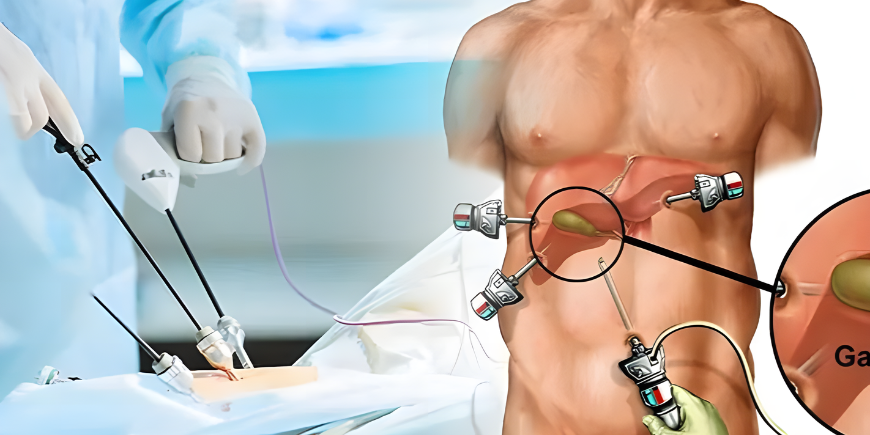
Gallbladder Stone Surgery in Chennai
Gallbladder stone surgery is a safe and effective treatment for removing stones that can cause pain and digestive problems. We provide advanced gallbladder treatment in Chennai using modern surgical techniques that focus on precision, safety, and faster recovery. Treatment is planned based on each patient's condition to ensure better outcomes and comfort.
We emphasize early diagnosis and timely intervention to prevent complications such as infection or blockage. With minimally invasive procedures, gallbladder surgery has become more efficient, helping patients recover quickly and return to their normal routine with minimal discomfort.
Key Highlights
Advanced Care: Modern techniques for effective stone removal
Minimally Invasive: Smaller incisions and quicker healing
Personalized Treatment: Based on individual condition
Safety Focus: Procedures planned with care
Faster Recovery: Reduced downtime and discomfort
What are Gallbladder Stones?
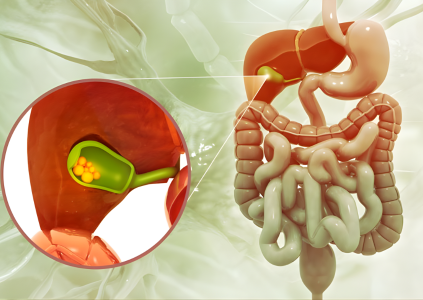
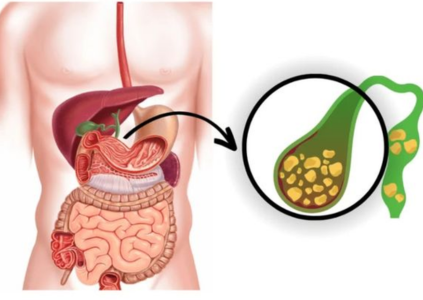
Gallbladder stones, also known as gallstones, are hardened deposits that form inside the gallbladder. These stones can vary in size and may block the flow of bile, leading to pain and digestive issues. Some patients may not experience symptoms initially, but the condition can worsen over time.
We help patients understand the nature of gallstones and the importance of timely management. Proper evaluation allows us to determine the severity and recommend the most suitable treatment approach for effective relief.
Key Points
Hardened Deposits: Formed from bile components
Variable Size: Can be small or large
Digestive Impact: Affects bile flow
Silent Condition: May not show early symptoms
Treatable Condition: Managed effectively with surgery
Types of Gallstones
Gallstones are generally classified based on their composition. The most common type is cholesterol stones, which are usually yellow in color. Pigment stones, which are darker, are formed due to excess bilirubin in the bile. Each type may differ in cause and presentation.
We assess the type of gallstones during diagnosis to guide treatment planning. Understanding the type helps in determining the best surgical approach and ensuring effective management.
Common Types
Cholesterol Stones: Most common type
Pigment Stones: Formed from bilirubin
Mixed Stones: Combination of both types
Small Stones: May pass unnoticed initially
Large Stones: More likely to cause symptoms
Symptoms of Gallstones
Gallstone symptoms can range from mild discomfort to severe pain. A common symptom is sudden pain in the upper abdomen, especially after eating fatty foods. Some patients may also experience nausea, bloating, or indigestion.
We encourage early evaluation when symptoms appear, as untreated gallstones can lead to complications. Recognizing these symptoms helps in timely diagnosis and appropriate treatment.
Common Symptoms
Abdominal Pain: Especially in upper right abdomen
Nausea: Feeling of sickness after meals
Bloating: Discomfort after eating
Indigestion: Difficulty in digestion
Pain After Fatty Foods: Triggered by certain meals
Early Warning Signs
In the early stages, gallstones may cause mild or occasional discomfort that is often overlooked. Symptoms such as slight pain after meals or a feeling of fullness can indicate the beginning of the condition. These signs may become more frequent over time.
We emphasize the importance of recognizing early warning signs to prevent complications. Early detection allows for timely treatment and reduces the risk of severe pain or infection.
Early Indicators
Mild Pain: Occasional abdominal discomfort
Post-Meal Discomfort: Especially after heavy meals
Fullness Feeling: Persistent heaviness
Irregular Symptoms: Comes and goes initially
Gradual Worsening: Symptoms increase over time
Causes of Gallstones
Gallstones form when there is an imbalance in the substances that make up bile, such as cholesterol and bilirubin. When these components become concentrated, they can crystallize and gradually form stones inside the gallbladder. Factors like poor diet, reduced gallbladder movement, and certain medical conditions can contribute to this process.
We focus on identifying the underlying causes to guide proper treatment and prevention. Understanding these causes helps in reducing the risk of recurrence and supports better long-term digestive health.
Common Causes
Excess Cholesterol: Leads to stone formation
Bile Imbalance: Improper composition of bile
Poor Diet: High-fat food intake
Reduced Gallbladder Function: Incomplete emptying
Underlying Conditions: Liver or metabolic issues
Risk Factors
Certain individuals are more likely to develop gallstones due to specific risk factors. Lifestyle habits, hormonal changes, and existing health conditions can increase the likelihood of stone formation. These factors may influence bile composition and gallbladder function.
We evaluate individual risk factors to provide guidance on prevention and early management. Addressing these risks can help reduce complications and support overall digestive health.
Key Risk Factors
Obesity: Increases cholesterol levels in bile
Female Gender: Hormonal influence
Age Factor: Higher risk with age
Diabetes: Affects metabolism
Sedentary Lifestyle: Reduces gallbladder activity
When to See a Doctor
Gallstones may remain silent for some time, but symptoms such as pain or digestive discomfort should not be ignored. Seeking medical attention early helps in proper evaluation and prevents complications such as infection or blockage.
We recommend consulting a doctor when symptoms persist or worsen. Early diagnosis allows for timely treatment and reduces the risk of emergency situations.
When to Consult
Severe Pain: Sudden or intense abdominal pain
Recurring Symptoms: Repeated discomfort after meals
Nausea or Vomiting: Persistent digestive issues
Fever or Infection Signs: Possible complications
Jaundice Symptoms: Yellowing of skin or eyes
Diagnosis of Gallstones
Gallstones are usually diagnosed through a combination of physical examination and imaging tests. Ultrasound is the most commonly used method, as it clearly shows the presence of stones in the gallbladder. In some cases, additional tests may be required for detailed evaluation.
We use appropriate diagnostic methods to confirm the condition and assess its severity. Accurate diagnosis helps in planning the most suitable treatment approach and avoiding unnecessary delays.
Diagnostic Methods
Physical Examination: Initial assessment of symptoms
Ultrasound Scan: Most common and effective test
CT Scan: Used in complex cases
Blood Tests: Check for infection or inflammation
Medical History Review: Understanding patient condition
Is Gallbladder Stone Dangerous?
Gallstones may not always cause symptoms, but if left untreated, they can lead to serious complications. Blockage of bile flow can result in inflammation, infection, or severe pain. In some cases, it may affect nearby organs such as the pancreas.
We emphasize early detection and timely treatment to prevent these risks. Addressing gallstones at the right stage helps ensure safer procedures and better recovery outcomes.
Possible Complications
Severe Pain Episodes: Sudden and intense discomfort
Gallbladder Inflammation: Risk of infection
Bile Duct Blockage: Affects digestion
Pancreatitis Risk: Inflammation of pancreas
Emergency Situations: May require urgent care
Treatment Options for Gallstones
The treatment for gallstones depends on the severity of symptoms and the impact on daily life. In cases where stones do not cause symptoms, monitoring may be sufficient. However, when pain or complications arise, surgical removal of the gallbladder is considered the most effective treatment.
We evaluate each case carefully to recommend the most suitable option. The goal is to provide relief from symptoms and prevent future complications through safe and effective treatment.
Treatment Choices
Observation: For asymptomatic cases
Medication: Limited role in specific cases
Surgical Removal: Most effective solution
Minimally Invasive Methods: Preferred approach
Personalized Plan: Based on patient condition
Types of Gallbladder Surgery
Gallbladder removal, also known as cholecystectomy, is performed using either open surgery or laparoscopic surgery. The choice of procedure depends on factors such as the size of stones, inflammation, and overall health condition of the patient.
We recommend the most appropriate surgical method after proper evaluation. The aim is to ensure safe removal of the gallbladder while minimizing discomfort and supporting faster recovery.
Surgical Methods
Laparoscopic Cholecystectomy: Minimally invasive technique
Open Surgery: Used in complex cases
Small Incisions: Key feature of laparoscopic method
Safe Procedure: Widely practiced treatment
Effective Outcome: Long-term relief from symptoms
Open vs Laparoscopic Surgery
Open surgery involves a larger incision to remove the gallbladder, while laparoscopic surgery uses small incisions and a camera to perform the procedure. Both methods are effective, but laparoscopic surgery is often preferred due to its advantages in recovery and comfort.
We help patients understand both options clearly so they can make informed decisions. The choice of surgery is based on individual condition and medical evaluation.
Key Differences
Incision Size: Larger vs smaller cuts
Pain Level: More vs less discomfort
Recovery Time: Slower vs faster healing
Hospital Stay: Longer vs shorter duration
Scarring: Visible vs minimal scars
Treatment Approach
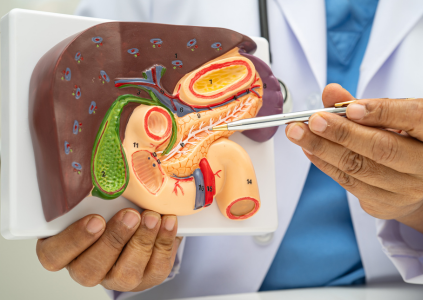
Gallbladder stone treatment follows a structured process from diagnosis to recovery. Each stage is carefully planned to ensure safety and effectiveness. The approach is based on the patient's symptoms, medical history, and severity of the condition.
We focus on providing clear guidance throughout the treatment journey. From initial consultation to post-surgical care, every step is managed to ensure smooth recovery and better outcomes.
Treatment Steps
Assessment: Detailed evaluation of condition
Diagnosis: Confirming presence of stones
Planning: Choosing appropriate treatment
Procedure: Safe surgical intervention
Follow-Up: Monitoring recovery progress
What Happens During Surgery
During gallbladder surgery, the gallbladder is carefully removed to eliminate the source of stone formation. In laparoscopic procedures, small incisions are made and a camera is used to guide the surgery. The procedure is performed under anesthesia to ensure patient comfort.
We ensure that the surgery is carried out with precision and safety. Patients are guided beforehand so they understand the process and feel prepared for the procedure.
Procedure Overview
Anesthesia Used: Ensures patient comfort
Small Incisions: Used in laparoscopic method
Gallbladder Removal: Eliminates stone source
Camera Guidance: Improves precision
Careful Closure: Ensures proper healing
Preparation Before Surgery
Preparing for gallbladder surgery is an important step to ensure a smooth procedure and recovery. Patients may be advised to undergo certain tests and follow specific instructions regarding diet, medications, and lifestyle habits before the surgery. Proper preparation helps reduce risks and improves overall outcomes.
We guide patients through every step of the preparation process to ensure they are ready both physically and mentally. Following these guidelines helps in making the procedure safer and more effective.
Pre-Surgery Guidelines
Medical Tests: Blood tests and imaging if required
Fasting: Avoid food before surgery as advised
Medication Review: Adjust current medications
Lifestyle Changes: Avoid smoking and alcohol
Pre-Surgery Consultation: Clarify all doubts
Benefits of Laparoscopic Gallbladder Surgery
Laparoscopic gallbladder surgery is a minimally invasive procedure that offers several advantages over traditional open surgery. Smaller incisions and advanced tools allow for precise removal of the gallbladder with less impact on surrounding tissues.
We often recommend this technique when suitable, as it helps improve patient comfort and recovery. Minimally invasive methods are designed to reduce complications and allow patients to return to normal activities sooner.
Key Benefits
Less Pain: Reduced post-surgical discomfort
Smaller Incisions: Minimal scarring
Faster Recovery: Quick return to daily life
Short Hospital Stay: Reduced hospitalization
Lower Risk: Fewer complications
Recovery Time After Gallbladder Surgery
Recovery time varies depending on the type of surgery and the patient's overall health. Most patients can resume light activities within a few days, while complete recovery may take a few weeks. Following medical advice is essential for proper healing.
We provide clear recovery guidance to support a smooth healing process. Patients are advised to gradually return to their routine while avoiding activities that may strain the body.
Recovery Timeline
Initial Rest: First few days after surgery
Light Activities: Resume within a week
Full Recovery: Usually within a few weeks
Work Return: Depends on job type
Follow-Up Visits: Monitor healing progress
Post-Surgery Care
Post-surgical care plays a key role in ensuring proper healing and preventing complications. Patients are advised to follow specific instructions related to wound care, activity levels, and medication. Proper care helps improve recovery outcomes.
We support patients throughout the recovery phase with clear guidance and follow-up care. Maintaining good hygiene and following instructions can significantly improve healing.
Care Guidelines
Wound Care: Keep area clean and dry
Avoid Strain: No heavy lifting initially
Medication Use: Follow prescribed medicines
Hydration: Maintain adequate fluid intake
Regular Checkups: Ensure proper recovery
Diet After Gallbladder Surgery
After gallbladder surgery, diet plays an important role in recovery and digestion. Patients are usually advised to start with light, easily digestible foods and gradually return to a normal diet. Avoiding fatty and heavy foods initially helps prevent discomfort.
We guide patients on suitable dietary habits to support recovery and improve digestion. A balanced diet helps the body adjust after surgery and promotes overall well-being.
Dietary Tips
Low-Fat Diet: Avoid oily and heavy foods
Small Meals: Eat in smaller portions
High-Fiber Foods: Supports digestion
Stay Hydrated: Drink adequate fluids
Gradual Changes: Slowly return to normal diet
| Aspect | Before Surgery | After Surgery |
|---|---|---|
| Pain Level | Recurrent abdominal pain | Significant pain relief |
| Digestion | Difficulty after fatty meals | Improved digestion over time |
| Daily Activities | Limited due to discomfort | Gradual return to normal routine |
| Diet | Restrictions due to symptoms | Balanced diet with guidance |
| Energy Levels | Low due to discomfort | Improved overall well-being |
| Risk of Complications | Higher if untreated | Reduced after proper treatment |
| Quality of Life | Affected by recurring symptoms | Better comfort and daily function |
Conclusion: We focus on guiding you towards safe treatment and a smoother recovery.
Gallbladder stones can gradually affect your comfort, digestion, and overall quality of life if not addressed at the right time. We focus on early diagnosis and choosing the most suitable treatment approach based on your condition, ensuring safe and effective outcomes. With the use of advanced surgical techniques, we aim to reduce discomfort, improve recovery, and help you return to your daily routine with greater ease and confidence.
If you are experiencing symptoms or need a proper evaluation, we are here to support you at every step of your treatment journey. We believe in guiding you with clarity, care, and the right medical approach to achieve lasting relief. Take the next step towards better health with timely care and a treatment plan designed for your comfort and recovery.
FAQs
1. What are gallbladder stones and how are they treated?
Gallbladder stones are hardened deposits that form inside the gallbladder and may cause pain or digestive issues. We treat symptomatic cases primarily with surgical removal of the gallbladder using safe and effective methods.
2. Is gallbladder stone surgery necessary?
Surgery is usually recommended when gallstones cause pain, infection, or blockage. We assess the severity of symptoms and advise treatment based on individual condition and risk of complications.
3. What is laparoscopic gallbladder surgery?
Laparoscopic surgery is a minimally invasive procedure performed through small incisions using a camera. We use this approach to reduce pain, minimize scarring, and support faster recovery when suitable.
4. How long does it take to recover after gallbladder surgery?
Recovery time varies depending on the procedure and overall health. Most patients return to normal activities within a few weeks with proper care and guidance.
5. Can we live normally without a gallbladder?
Yes, the body can function normally without a gallbladder. We guide patients on dietary adjustments to support digestion and maintain overall health after surgery.