Gastrointestinal Surgery
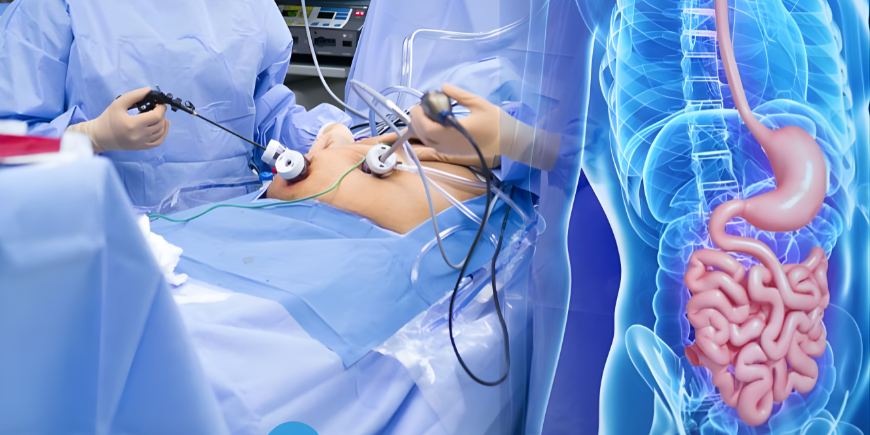
Gastrointestinal Surgery in Chennai For Advanced Digestive Care by an Experienced Gastrointestinal Surgeon
Restoring Digestive Health with Precision Surgical Expertise
Digestive health plays a central role in overall well-being, yet many gastrointestinal conditions remain undiagnosed until they begin to affect daily life. In my practice, I frequently see patients dealing with ongoing symptoms such as abdominal discomfort, bloating, or irregular digestion without understanding the underlying cause. As a Gastrointestinal Surgeon in Chennai, my focus is on identifying these issues early and guiding patients toward the most effective treatment approach.
With advancements in surgical techniques, gastrointestinal care has become more precise, safer, and less invasive. I rely on modern methods, including laparoscopic and minimally invasive procedures, to ensure accurate treatment with reduced discomfort. My goal is not only to treat the condition but also to help patients regain long-term digestive health and confidence in their daily lives.
What You Can Expect from My Approach
-
Thorough evaluation of symptoms and medical history
-
Clear diagnosis before recommending treatment
-
Minimally invasive surgical techniques whenever possible
-
Personalized treatment planning
-
Focus on long-term digestive health
-
Continuous support before and after treatment
Understanding Gastrointestinal Surgery and When It Becomes Necessary
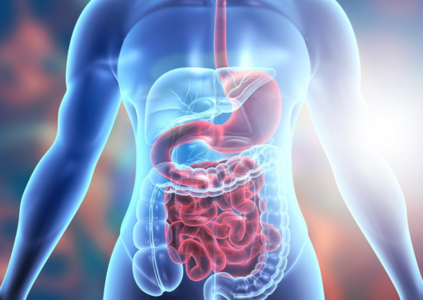
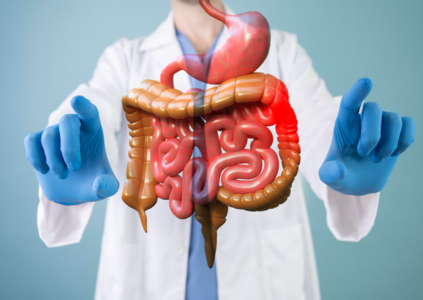
Gastrointestinal surgery involves treating conditions affecting the digestive tract, including the stomach, intestines, liver, pancreas, and gallbladder. While many digestive disorders can be managed with medication initially, certain conditions require surgical correction to prevent complications or worsening symptoms. My role as a Gastro Surgeon in Chennai is to determine when surgery is necessary and ensure it is performed at the right stage.
Not every digestive issue requires surgery, and careful evaluation is essential before making that decision. I focus on balancing conservative treatment with surgical intervention, ensuring that patients receive only what is truly needed. When surgery becomes necessary, timely intervention can significantly improve outcomes and prevent long-term complications.
Key Areas Covered in Gastrointestinal Surgery
-
Stomach and intestinal disorders
-
Colon and rectal conditions
-
Gallbladder and bile duct diseases
-
Liver and pancreatic conditions
-
Hernia-related digestive complications
-
Emergency abdominal conditions
Symptoms That Indicate a Need for Gastrointestinal Evaluation
Many gastrointestinal conditions begin with mild symptoms that are often ignored or self-treated. However, persistent or recurring symptoms can indicate underlying issues that may require specialized care. In my experience, early evaluation helps avoid complications and reduces the need for complex procedures later.
Patients often delay consultation until symptoms become severe, which can make treatment more challenging. Recognizing warning signs early allows for accurate diagnosis and timely intervention, whether through medical or surgical management.
Common Warning Signs I Advise Not to Ignore
-
Persistent abdominal pain or discomfort
-
Chronic acidity or acid reflux
-
Changes in bowel habits
-
Difficulty swallowing
-
Unexplained weight loss
-
Frequent bloating or digestive discomfort
When I Recommend Consulting a Gastrointestinal Surgeon in Chennai
Deciding when to consult a specialist is an important step in managing digestive health. I usually recommend consultation when symptoms persist despite medication or begin to interfere with daily life. Early consultation often allows for simpler and less invasive treatment options.
Choosing the right Gastrointestinal Surgeon in Chennai is equally important, as proper evaluation and guidance play a key role in treatment success. My approach is always focused on clarity, ensuring that patients understand their condition and the available treatment options.
Situations That Require Medical Attention
-
Symptoms not improving with medication
-
Recurrent digestive issues
-
Severe or sudden abdominal pain
-
Diagnosed gastrointestinal conditions
-
Suspicion of structural abnormalities
-
Emergency symptoms requiring immediate care
Causes and Risk Factors Behind Gastrointestinal Conditions
Gastrointestinal conditions often develop due to a combination of lifestyle habits, dietary patterns, infections, and underlying medical issues. In many patients I treat, the root cause is not a single factor but a combination of multiple triggers that gradually affect digestive health. Identifying these causes is essential not only for treatment but also for preventing recurrence after surgery.
Understanding risk factors helps me guide patients beyond surgery by improving long-term digestive function. Addressing these contributing factors plays a crucial role in ensuring that treatment outcomes remain effective over time.
Common Causes I Frequently Identify
-
Irregular eating habits and poor diet
-
Low fiber intake and dehydration
-
Chronic acidity and digestive disorders
-
Infections affecting the gastrointestinal tract
-
Alcohol consumption and smoking
-
Genetic predisposition to GI conditions
Types of Gastrointestinal Surgical Procedures I Perform
Gastrointestinal surgery includes a wide range of procedures, depending on the affected organ and severity of the condition. In my surgical practice, I tailor each procedure based on the patient’s diagnosis, overall health, and expected outcomes. The aim is always to provide effective treatment with minimal disruption to normal body function.
Each type of surgery is chosen carefully to ensure the best possible recovery and long-term results. Whenever possible, I prioritize minimally invasive methods to reduce recovery time and improve patient comfort.
Common GI Surgical Procedures
-
Appendectomy for appendix-related conditions
-
Gallbladder removal (cholecystectomy)
-
Hernia repair surgeries
-
Intestinal surgeries for obstruction or disease
-
Colorectal surgical procedures
-
Tumor-related gastrointestinal surgeries
Advanced and Minimally Invasive Techniques in GI Surgery
Modern gastrointestinal surgery has evolved significantly with the introduction of minimally invasive and laparoscopic techniques. These methods allow me to perform complex procedures with greater precision while minimizing trauma to surrounding tissues. For patients, this means reduced pain, shorter hospital stays, and faster recovery.
As a Gastrointestinal Surgeon in Chennai, I focus on using advanced surgical technologies whenever appropriate. These approaches not only improve surgical outcomes but also enhance patient confidence and comfort throughout the treatment journey.
Advantages of Advanced Surgical Techniques
-
Smaller incisions and minimal scarring
-
Reduced post-operative pain
-
Faster healing and recovery
-
Lower risk of infection
-
Shorter hospital stay
-
Improved surgical precision
Step-by-Step Treatment Journey for Gastrointestinal Surgery
Understanding the treatment process helps patients feel more confident and prepared. In my practice, I ensure that every step — from initial consultation to recovery — is clearly explained and carefully managed. This structured approach improves both safety and outcomes.
Below is a simplified overview of how I typically manage gastrointestinal surgical cases, ensuring clarity and patient comfort at every stage.
Treatment Process Overview
| Stage | What I Do | Patient Benefit |
|---|---|---|
| Initial Consultation | Imaging, blood tests, endoscopy if needed | Clear understanding of condition |
| Diagnostic Evaluation | Imaging, blood tests, endoscopy if needed | Accurate diagnosis |
| Treatment Planning | Decide between medical or surgical approach | Personalized care plan |
| Surgical Procedure | Perform minimally invasive or required surgery | Effective and precise treatment |
| Post-Surgery Carel | Monitor recovery and manage symptoms | Faster healing |
| Follow-Up | Long-term monitoring and guidance | Prevent recurrence |
.webp)
.webp)
What Makes This Process Effective
-
Structured and step-by-step approach
-
Focus on patient safety at every stage
-
Clear communication throughout treatment
-
Personalized decision-making
-
Use of advanced diagnostic tools
-
Continuous monitoring and follow-up
Recovery and Post-Surgical Care for Gastrointestinal Procedures
Recovery is an important phase that directly influences the success of gastrointestinal surgery. In my approach, I ensure that patients receive clear guidance on how to manage their recovery safely and comfortably. Since many procedures today are minimally invasive, most patients experience faster healing compared to traditional surgery.
However, proper care after surgery is essential to avoid complications and support long-term digestive health. I guide each patient with personalized recovery instructions based on the type of surgery performed and their overall health condition.
What I Want You to Remember
-
Follow prescribed medications regularly
-
Maintain a balanced and easy-to-digest diet
-
Avoid heavy physical activity initially
-
Keep surgical areas clean and monitored
-
Attend scheduled follow-up visits
-
Report any unusual symptoms immediately
Benefits of Timely Gastrointestinal Surgical Treatment
One of the most important factors in successful treatment is timing. When gastrointestinal conditions are treated early, outcomes are significantly better, and the need for complex procedures can often be reduced. In my experience, patients who seek timely care recover faster and face fewer complications.
Early surgical intervention not only addresses the existing issue but also prevents further damage to the digestive system. This leads to improved quality of life and better long-term health outcomes.
Advantages of Early Treatment
-
Prevents progression of the disease
-
Reduces risk of complications
-
Enables minimally invasive procedures
-
Shortens recovery time
-
Improves digestive function
-
Enhances overall well-being
Understanding Risks, Safety, and Surgical Precision
Every surgical procedure carries some level of risk, but with modern advancements and careful planning, these risks can be minimized effectively. I believe in maintaining transparency with my patients by clearly explaining potential risks and how they are managed.
Safety is always my top priority. By using advanced techniques, proper pre-surgical evaluation, and close monitoring, I ensure that procedures are performed with maximum precision and minimal complications.
Safety Measures I Follow
-
Detailed pre-surgical assessment
-
Use of advanced surgical technology
-
Strict sterilization protocols
-
Continuous monitoring during surgery
-
Post-operative care and observation
-
Clear communication about risks and recovery
Why My Approach Focuses on Precision and Patient Outcomes
Over the years, I have seen how a well-planned surgical approach can significantly improve patient outcomes. My focus is not just on performing surgery, but on delivering care that is accurate, safe, and tailored to each patient’s needs.
As a Gastrointestinal Surgeon in Chennai, I combine clinical expertise with modern surgical methods to ensure effective treatment. My goal is always to provide care that supports long-term digestive health and helps patients return to normal life with confidence.
What Sets My Surgical Approach Apart
-
Personalized treatment planning
-
Focus on minimally invasive methods
-
Patient-centered communication
-
Evidence-based surgical decisions
-
Emphasis on long-term results
-
Commitment to safety and quality care
Moving Forward with the Right Surgical Care for Digestive Health
Digestive conditions can affect daily life in many ways, but with the right diagnosis and treatment, they can be effectively managed. In my practice, I focus on helping patients understand their condition clearly and guiding them toward the most appropriate solution. Gastrointestinal surgery today is safer, more precise, and designed to support faster recovery and better long-term outcomes.
Choosing timely and appropriate care can make a significant difference in your recovery journey. As a Gastrointestinal Surgeon in Chennai, my goal is to provide treatment that not only resolves the current issue but also supports lasting digestive health. With the right approach, patients can regain comfort, confidence, and quality of life.
What You Should Keep in Mind
-
Early consultation leads to better outcomes
-
Proper diagnosis is key to effective treatment
-
Minimally invasive techniques improve recovery
-
Post-surgical care is essential for long-term results
-
Regular follow-up helps prevent recurrence
-
Expert guidance ensures safer treatment decisions
Book Your Consultation for your Surgery
If you are experiencing ongoing digestive symptoms or have been advised surgical treatment, it is important to seek expert evaluation at the right time. Early diagnosis and proper guidance can help prevent complications and ensure effective recovery.
I’m Dr. Karthikeyan Jayakumar, providing advanced gastrointestinal surgical care at Hayagriva Hospital, Chennai. My approach is focused on accurate diagnosis, minimally invasive treatment, and long-term digestive health.
FAQs on Gastrointestinal Surgery
1. When should I consult a gastrointestinal surgeon in Chennai?
You should consult a specialist if you experience persistent abdominal pain, digestive issues, or symptoms that do not improve with medication. Early consultation helps in accurate diagnosis and timely treatment.
2. What conditions require gastrointestinal surgery??
Conditions such as appendicitis, gallbladder stones, hernia, intestinal obstruction, and certain digestive disorders may require surgical treatment depending on severity.
3. Is gastrointestinal surgery safe?
Yes, with modern techniques and proper evaluation, gastrointestinal surgery is generally safe. Minimally invasive procedures further reduce risks and improve recovery.
4. How long does recovery take after GI surgery?
Recovery time varies based on the procedure, but many patients recover within a few days to a few weeks, especially with minimally invasive techniques.
5. Are all digestive problems treated with surgery?
No, many digestive conditions can be managed with medication and lifestyle changes. Surgery is recommended only when necessary for effective treatment.