Robotic Laparoscopic Surgery
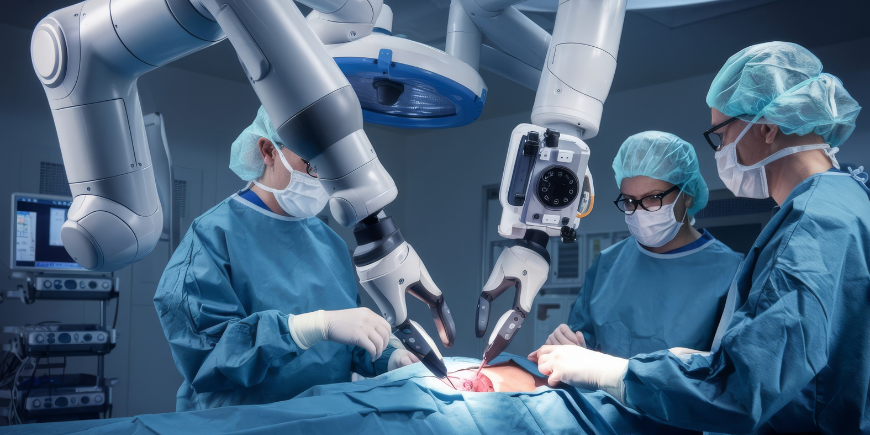
Robotic Laparoscopic Surgery in Chennai
Robotic laparoscopic surgery is an advanced form of minimally invasive surgery that offers greater precision, control, and improved outcomes. We provide robotic-assisted surgical care in Chennai using modern technology designed to enhance accuracy and reduce patient discomfort. This approach allows for more refined movements and better visualization during complex procedures.
We focus on delivering safe and effective treatment using advanced surgical systems that support faster recovery and minimal complications. By combining technology with clinical expertise, we aim to improve surgical results while ensuring patient comfort and confidence throughout the process.
Key Highlights
Advanced Technology: Robotic-assisted precision
Minimally Invasive: Smaller incisions and less pain
Enhanced Accuracy: Improved surgical control
Better Outcomes: Focus on safety and effectiveness
Faster Recovery: Reduced downtime
What is Robotic Laparoscopic Surgery?
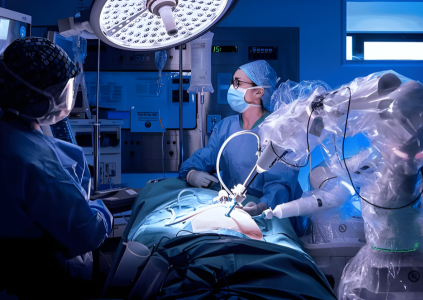
Robotic laparoscopic surgery is a technique where surgeons use a robotic system to perform procedures with enhanced precision. The surgeon controls robotic instruments through a console, allowing for highly accurate movements that are not possible with the human hand alone. This technology improves visibility and access to delicate areas of the body.
We use robotic-assisted methods to perform complex surgeries with improved control and reduced strain on surrounding tissues. This approach is particularly beneficial for procedures that require fine precision and minimal disruption to the body.
Key Points
Robotic Assistance: Surgeon-controlled system
High Precision: Accurate and stable movements
3D Visualization: Clear and detailed view
Minimally Invasive: Reduced tissue damage
Improved Control: Better surgical accuracy
How Robotic Surgery Works
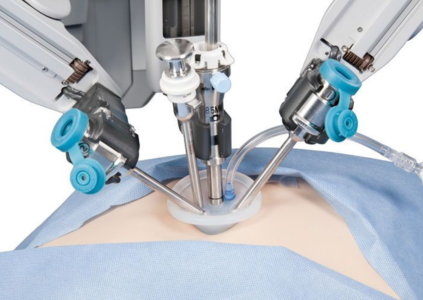
Robotic surgery involves the use of specialized instruments attached to robotic arms that are controlled by the surgeon. The system translates the surgeon's hand movements into smaller, more precise actions inside the body. A high-definition 3D camera provides a clear view of the surgical area.
We ensure that every step of the procedure is carefully controlled using this advanced system. This allows for greater flexibility, improved accuracy, and safer surgical outcomes, especially in complex cases.
Working Process
Surgeon Console: Controls robotic system
Robotic Arms: Perform precise movements
3D Camera: Provides enhanced visualization
Small Incisions: Minimally invasive access
Real-Time Control: Immediate response to surgeon input
Conditions Treated with Robotic Surgery
Robotic laparoscopic surgery is used to treat a wide range of conditions across different surgical specialties. It is particularly useful in procedures that require high precision and careful handling of tissues. This technique is commonly used in gastrointestinal, urological, and gynecological surgeries.
We evaluate each condition to determine whether robotic surgery is the most suitable option. The goal is to provide effective treatment with minimal discomfort and faster recovery.
Common Conditions
Hernia Repair: Advanced surgical correction
Gallbladder Surgery: Removal of gallstones
Gastrointestinal Disorders: Digestive system conditions
Urological Procedures: Kidney and urinary conditions
Gynecological Surgeries: Women's health conditions
Benefits of Robotic Laparoscopic Surgery
Robotic surgery offers several advantages compared to traditional surgical methods. The combination of advanced technology and surgical expertise allows for more precise procedures with reduced impact on the body. Patients often experience less pain and quicker recovery times.
We focus on using this technique to improve patient comfort and outcomes. The benefits of robotic surgery make it a preferred choice for many procedures where precision and safety are essential.
Key Benefits
Less Pain: Reduced post-surgical discomfort
Minimal Scarring: Smaller incisions
Faster Recovery: Quick return to routine
Improved Precision: Accurate surgical movements
Lower Risk: Reduced complications
Robotic vs Traditional Laparoscopic Surgery
Robotic surgery and traditional laparoscopic surgery are both minimally invasive techniques, but they differ in terms of precision and control. Robotic systems enhance the surgeon's ability to perform delicate procedures with greater accuracy, especially in complex cases where fine movements are required.
We help patients understand the differences between these approaches to choose the most suitable option. While both methods are effective, robotic-assisted surgery offers additional advantages in visualization and precision for selected procedures.
Key Differences
Precision Level: Higher in robotic surgery
Control: Enhanced instrument movement
Visualization: 3D view in robotic systems
Complex Cases: Better suited for advanced procedures
Surgeon Comfort: Improved ergonomics
| Feature | Traditional Surgery | Robotic Laparoscopic Surgery |
|---|---|---|
| Incision Size | Larger incisions | Small keyhole incisions |
| Precision | Limited by human hand | Enhanced robotic precision |
| Visualization | 2D view | High-definition 3D view |
| Pain Level | More post-surgery pain | Less pain and discomfort |
| Recovery Time | Longer recovery | Faster recovery |
| Hospital Stay | Longer stay | Shorter hospital stay |
| Scarring | More visible scars | Minimal scarring |
| Risk of Complications | Slightly higher | Reduced risk with precision |
When is Robotic Surgery Recommended?
Robotic laparoscopic surgery is recommended in cases where enhanced precision and control are essential. It is particularly useful for complex procedures involving delicate structures or areas that are difficult to access with conventional methods.
We evaluate each patient's condition carefully before recommending robotic surgery. The decision is based on medical need, type of condition, and expected benefits for recovery and outcomes.
Suitable Situations
Complex Procedures: Require high precision
Difficult Locations: Hard-to-reach areas
Recurrent Conditions: Need advanced approach
Minimally Invasive Need: Preference for smaller incisions
Better Recovery Goals: Faster healing required
Who is a Suitable Candidate?
Not every patient may require robotic surgery, and suitability depends on several factors including overall health, type of condition, and surgical requirements. A proper medical evaluation is necessary to determine whether this approach is appropriate.
We assess individual cases to ensure that robotic surgery offers clear benefits. Patient safety and effectiveness of treatment remain the primary considerations in selecting this method.
Candidate Criteria
Stable Health Condition: Fit for surgery
Specific Surgical Needs: Requires precision
No Major Contraindications: Safe for procedure
Willingness for Advanced Care: Informed decision
Medical Evaluation: Based on diagnostic findings
Safety and Accuracy of Robotic Surgery
Robotic laparoscopic surgery is considered safe when performed by trained professionals using advanced systems. The technology allows for precise movements and reduces the risk of human error during delicate procedures.
We follow strict safety protocols and use advanced surgical systems to ensure accurate and controlled procedures. Continuous monitoring and careful planning help achieve better outcomes and reduce complications.
Safety Features
High Precision: Accurate surgical movements
Stable Instruments: Reduced hand tremor
Enhanced Visualization: Clear surgical field
Controlled Environment: Real-time adjustments
Standard Protocols: Focus on patient safety
Types of Robotic Procedures
Robotic laparoscopic surgery can be used for a variety of procedures across different medical fields. It is especially beneficial in surgeries that require high precision and minimal tissue damage.
We use robotic-assisted techniques for selected procedures where improved control and accuracy can enhance outcomes. This approach supports better recovery and reduces overall surgical impact.
Common Procedures
Hernia Repair: Precise correction
Gallbladder Surgery: Minimally invasive removal
Gastrointestinal Surgery: Digestive system procedures
Urological Surgery: Kidney and urinary tract
Gynecological Surgery: Women's health procedures
Pre-Surgery Evaluation
Before robotic laparoscopic surgery, a detailed evaluation is carried out to understand the patient's condition and overall health. This includes reviewing medical history, conducting physical examinations, and performing necessary diagnostic tests. Proper assessment helps in planning a safe and effective surgical approach.
We ensure that every patient undergoes a thorough evaluation to determine suitability for robotic surgery. This step helps reduce risks and improves surgical outcomes by selecting the most appropriate treatment method.
Evaluation Process
Medical History Review: Understanding past conditions
Physical Examination: Assessing overall health
Diagnostic Tests: Imaging and lab investigations
Risk Assessment: Identifying potential concerns
Surgical Planning: Choosing the best approach
What Happens During Robotic Surgery
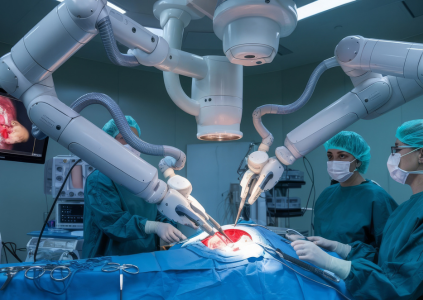
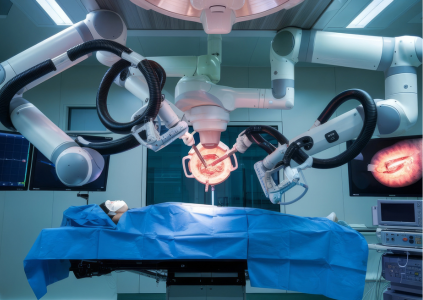
During robotic laparoscopic surgery, the surgeon operates from a console while controlling robotic arms equipped with surgical instruments. These instruments perform highly precise movements through small incisions, guided by a high-definition 3D camera. The procedure is performed under anesthesia to ensure patient comfort.
We carry out the procedure with careful planning and precision, ensuring every step is controlled and safe. Patients are guided beforehand to understand the process, which helps reduce anxiety and build confidence.
Procedure Overview
Anesthesia Used: Ensures patient comfort
Small Incisions: Minimally invasive access
Robotic Control: Surgeon-guided movements
3D Visualization: Enhanced surgical view
Precise Execution: Accurate tissue handling
Recovery After Robotic Surgery
Recovery after robotic surgery is generally faster compared to traditional methods due to minimal tissue damage. Most patients experience less pain and can resume normal activities sooner. However, recovery time may vary depending on the procedure and individual health.
We provide clear guidance during the recovery phase to support smooth healing. Patients are advised to gradually return to their routine while following medical instructions carefully.
Recovery Highlights
Reduced Pain: Less discomfort post-surgery
Short Hospital Stay: Early discharge possible
Quick Healing: Faster recovery time
Return to Routine: Resume activities sooner
Follow-Up Care: Monitoring recovery progress
Post-Surgery Care
Post-operative care is essential to ensure proper healing and prevent complications. Patients are advised to follow instructions related to wound care, medication, and activity levels. Maintaining proper care helps improve recovery outcomes.
We support patients throughout their recovery journey with clear instructions and regular follow-ups. Adhering to these guidelines helps achieve better results and long-term well-being.
Care Guidelines
Wound Care: Keep area clean and dry
Medication Use: Follow prescribed treatment
Avoid Strain: Limit physical exertion
Healthy Lifestyle: Support healing process
Regular Checkups: Ensure proper recovery
Risks and Considerations
While robotic laparoscopic surgery is generally safe, like any surgical procedure, it carries certain risks. These may include infection, bleeding, or complications related to anesthesia. However, with proper planning and expert care, these risks are minimized.
We take all necessary precautions to ensure patient safety and reduce complications. Careful evaluation, advanced technology, and adherence to safety protocols help improve outcomes and build patient confidence.
Key Considerations
Low Risk: Generally safe procedure
Possible Complications: Infection or bleeding
Anesthesia Factors: Managed carefully
Patient Suitability: Evaluated before surgery
Safety Protocols: Strict standards followed
Cost of Robotic Surgery in Chennai
The cost of robotic laparoscopic surgery can vary depending on the type of procedure, complexity, and hospital facilities. Advanced technology and specialized equipment are involved, which may influence the overall cost. However, the benefits of precision and faster recovery often add value to the treatment.
We provide clear guidance regarding treatment planning and help patients understand the factors that affect cost. The focus is on delivering safe and effective care while maintaining transparency throughout the process.
Cost Factors
Type of Procedure: Complexity of surgery
Hospital Facilities: Technology and infrastructure
Surgeon Expertise: Experience and specialization
Pre & Post Care: Tests and follow-ups
Duration of Stay: Length of hospitalization
Our Approach to Robotic Surgery
Robotic laparoscopic surgery requires a structured and patient-focused approach to ensure safety and effectiveness. Each step, from diagnosis to recovery, is planned carefully to achieve the best possible outcome. Advanced technology is combined with clinical expertise for precise surgical care.
We focus on personalized treatment planning, ensuring that each patient receives the most suitable care. Our approach emphasizes clarity, safety, and support throughout the entire treatment journey.
Our Approach
Detailed Evaluation: Understanding patient condition
Personalized Plan: Tailored treatment strategy
Advanced Technology: Use of robotic systems
Safe Procedure: Focus on precision and care
Recovery Support: Guidance after surgery
Why Choose Advanced Surgical Techniques
Advanced surgical techniques such as robotic-assisted procedures offer improved precision and better outcomes compared to conventional methods. These techniques reduce the impact on surrounding tissues and support faster healing.
We aim to use advanced methods when appropriate to enhance patient comfort and recovery. The focus is on delivering safe, effective, and reliable surgical care using modern technology.
Key Advantages
Higher Precision: Accurate surgical movements
Less Tissue Damage: Minimal disruption
Faster Recovery: Quicker healing time
Reduced Pain: Improved patient comfort
Better Outcomes: Enhanced surgical results
Patient Journey
The patient journey begins with consultation and diagnosis, followed by treatment planning and surgical intervention. Each stage is designed to ensure clarity, comfort, and confidence for the patient. Proper guidance helps patients understand what to expect throughout the process.
We support patients at every step, from initial evaluation to post-surgery recovery. This structured journey helps improve outcomes and ensures a smooth treatment experience.
Journey Steps
Consultation: Initial assessment and discussion
Diagnosis: Confirming the condition
Treatment Plan: Choosing the best approach
Procedure: Safe surgical intervention
Recovery: Follow-up and healing support
Myths vs Facts About Robotic Surgery
There are several misconceptions about robotic surgery, including concerns about safety and control. In reality, robotic systems are operated by trained surgeons and are designed to enhance precision, not replace human expertise. Understanding the facts helps patients make informed decisions.
We provide clear information to address common myths and ensure patients feel confident about their treatment choices. Awareness plays an important role in reducing fear and improving acceptance of advanced surgical methods.
Myths vs Facts
Myth: Robot performs surgery alone — Fact: Surgeon fully controls the system
Myth: Robotic surgery is unsafe — Fact: It is highly precise and safe
Myth: Recovery is longer — Fact: Recovery is usually faster
Myth: Only for complex cases — Fact: Used for various procedures
Myth: High risk involved — Fact: Risk is minimized with expertise
Conclusion:We aim to make advanced surgery simpler, safer, and more comfortable for every patient.
Robotic laparoscopic surgery represents a significant advancement in modern surgical care, offering improved precision, safety, and recovery outcomes. We focus on using advanced technology combined with clinical expertise to provide treatment that is both effective and patient-centered. By choosing the right approach based on individual needs, we aim to ensure better surgical results with minimal discomfort and faster healing.
If you are considering advanced surgical options or need proper evaluation, we are here to guide you with clarity and care. We support you through every step of the process, helping you make informed decisions for your health and recovery.
Take the next step towards safer, more advanced surgical care with confidence.
FAQs
1. What is robotic laparoscopic surgery?
Robotic laparoscopic surgery is a minimally invasive procedure where we use a robotic system to perform surgery with enhanced precision and control through small incisions.
2. Is robotic surgery safe?
Robotic surgery is considered safe when performed by trained surgeons using advanced systems. We follow strict safety protocols to ensure accurate and controlled procedures.
3. How is robotic surgery different from laparoscopic surgery?
Both are minimally invasive, but robotic surgery offers better precision, 3D visualization, and improved control. We choose the method based on the patient's condition and surgical needs.
4. What is the recovery time after robotic surgery?
Recovery is usually faster compared to traditional surgery. Most patients return to normal activities within a shorter period, depending on the procedure and overall health.
5. Who is suitable for robotic laparoscopic surgery?
Suitability depends on the type of condition, overall health, and surgical requirements. We evaluate each case to determine if robotic surgery is the best option.